
Starting smoking cessation
The complete vaping guide in Canada
Quitting combustible cigarettes requires using vaping devices certified in compliance with the Tobacco Act (LTPV) to ensure an effective and personalized smoking cessation.
Mastering the Mechanics of Inhalation
How the personal vaporizer works
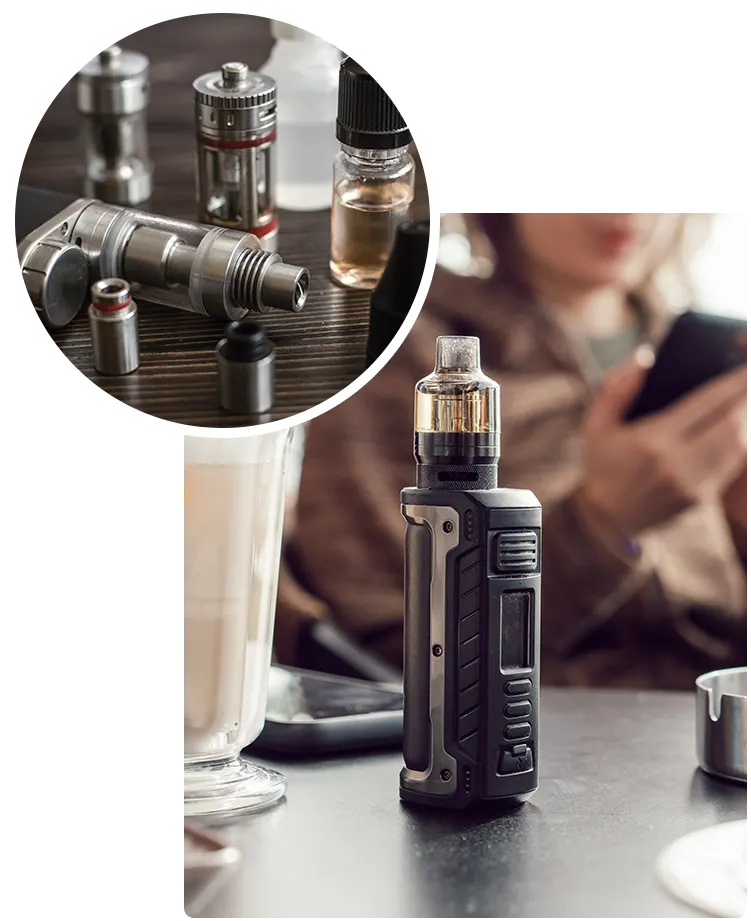
Technical architecture of the modern e-cigarette
An internal battery powers the heating coil. This action vaporizes the e-liquid from the tank into an aerosol without combustion, simulating the act of smoking without releasing carcinogenic tar or harmful carbon monoxide.
- Rechargeable Lithium-Ion Battery
- Pyrex Leak-Proof Clearomizer
- Resistive Wire Coil
- Ergonomic 510 Drip Tip

Indirect inhalation (MTL)
Tight draw mimicking a cigarette, perfect for first-time vapers undergoing cessation.

Direct inhalation (DL)
Large vapor volume through an airy draw for cloud chasers.
Choosing a kit suited to your smoker profile
Faced with the Canadian market offerings, selecting the right starter kit determines the success of quitting smoking. Options range from discreet vape pens to high-performance box mods, offering advanced temperature control and wattage management.
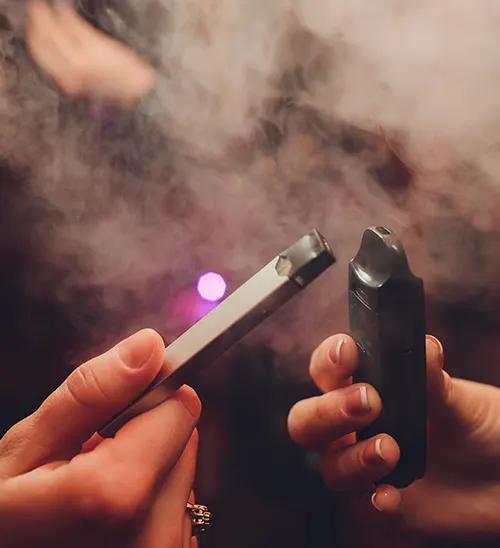
Compact AIO pod mods
These portable formats make daily vaping easier through clip-in cartridges.
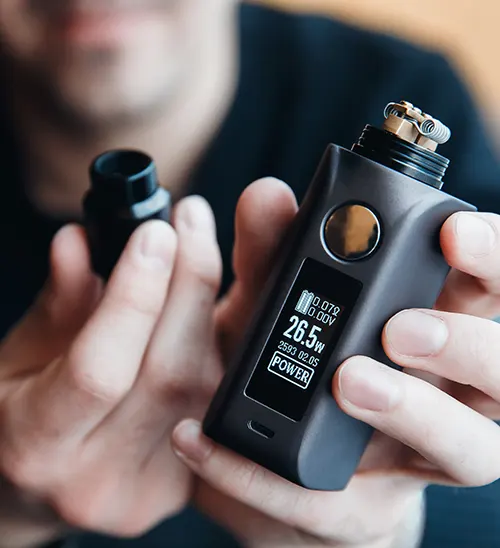
Advanced electronic box mods
Expert vapers choose this chipset to adjust variable power.
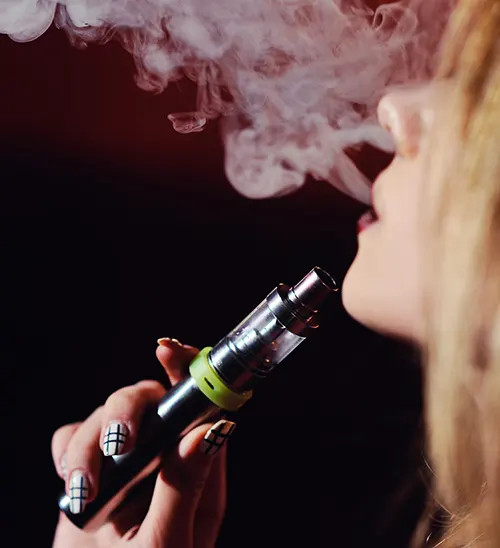
Tubular e-cigarettes
This cylindrical design ensures an intuitive grip and simplified use.
Choosing Flavors and PG/VG Ratios
The juice base relies on Propylene Glycol, which enhances tobacco or mint flavors and the throat hit, blended with pure Vegetable Glycerin, the source of vapor density and volume upon exhalation.
Nicotine salt e-liquids ensure rapid absorption and a smooth throat feel even at high concentrations. This formula meets the urgent nicotine needs of dependent smokers during their initial transition to vaping.
Canadian regulations require CRC-certified caps and limit the legal nicotine concentration to 20 mg/mL.
Maintaining your equipment for maximum longevity
Cleaning the 510 pin and the tank ensures conductivity and preserves flavor delivery. A dirty coil degrades the taste experience and significantly reduces the vapor volume produced by the setup.
Responsible vaping: practices and health safety
While vaping reduces the risks compared to smoking, the quality of inhalation is paramount. Purchasing from a specialized store avoids contaminants such as vitamin E acetate, banned by Health Canada for lung protection.
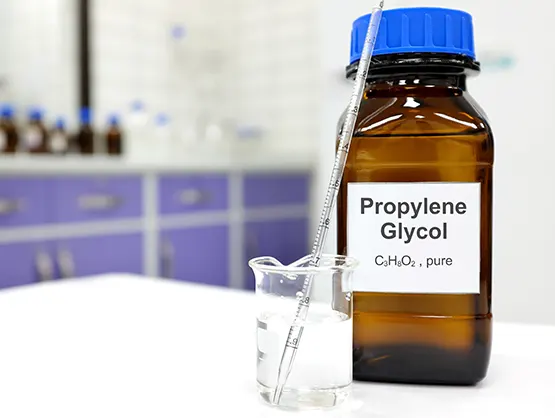
Regular hydration
Since PG is hygroscopic, it draws moisture from the mucous membranes, requiring frequent hydration to avoid dry mouth.

Nicotine dosage
Moderating your puffs prevents nicotine overdose, which can sometimes be masked by the appealing flavors and the absence of strong throat irritation.
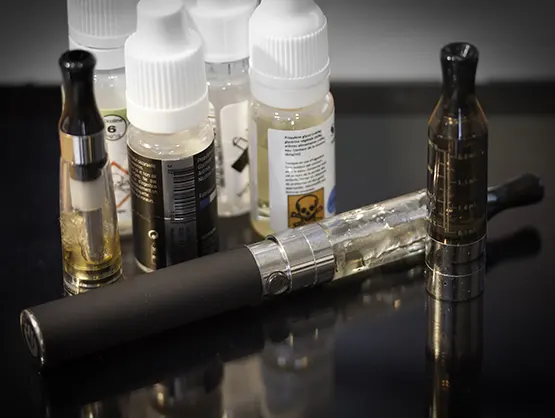
Storing e-liquid bottles
Keeping bottles out of reach of children and pets prevents accidental ingestion of toxic nicotine orally or through the skin.
Law and civic responsibility
In Canada, federal law defines vaping areas, mirroring the restrictions on traditional cigarettes for public health, especially in public spaces where protecting non-smokers remains a national priority.
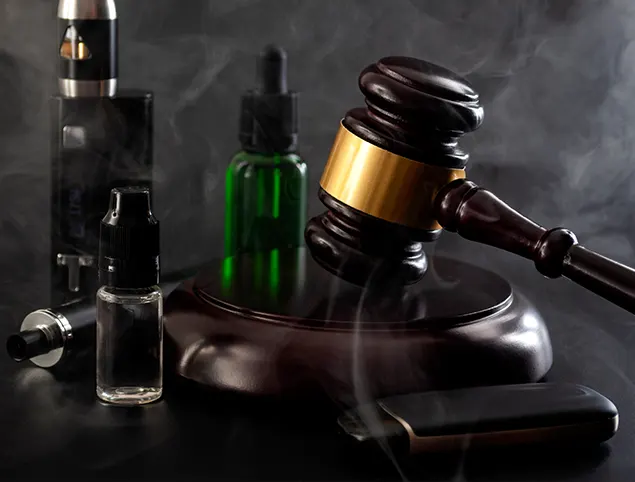
Federal legislation
The government prohibits sales to minors and designates vapor-free zones similar to tobacco areas to protect bystanders.
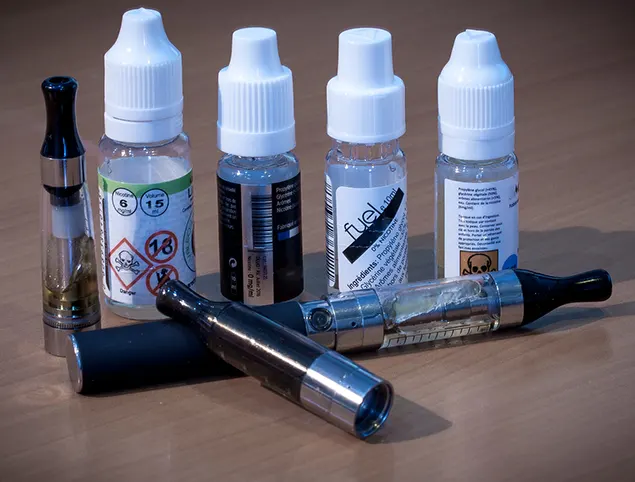
Packaging compliance
Bottles require mandatory CRC childproof caps to prevent accidental opening and poisoning of young children.